

High Humidity in Your Home? The Top 4 Signs of a Hidden Water Leak
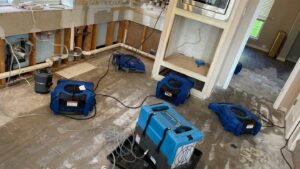
If you’ve noticed an unexplained spike in humidity inside your Bell County or Killeen home, it may be more than just the weather. High humidity is often the first silent sign of an unseen water leak, threatening your foundation and indoor air quality.
While high moisture levels can be attributed to several factors—like cooking, showers, or poor ventilation—when humidity persists despite your best efforts, there’s a strong possibility it signals a serious unseen water break.
Discover how these hidden leaks contribute to high humidity and what you, and our professional team, can do to stop the damage.
Understanding High Humidity in Your Killeen, TX Home & What it Means
Humidity refers to the amount of moisture present in the air. Ideally, indoor humidity levels should be maintained between 30%-50% to ensure comfort and health.
When levels consistently exceed this range—especially above 60%—it creates several problems:
- Mold & Health Risks: Mold thrives on moisture, leading to growth in your walls, carpet, and HVAC system, triggering respiratory issues.
- Structural Damage: Excess moisture can rot wood, delaminate flooring, and increase the risk of foundational shift due to soil expansion, a common issue in Central Texas homes.
- Increased Energy Costs: Your air conditioning system has to work harder to condense and remove moisture from the air, spiking your energy bills.
The Connection Between High Humidity and Water Leaks
Hidden Sources of Water
Water leaks can occur in various areas of your home without being immediately noticeable. Common culprits include:
• Pipes Behind Walls: Old or damaged pipes can develop leaks that seep into walls and flooring.
• Appliances: Washing machines, dishwashers, and refrigerators with water lines can malfunction, causing slow leaks that elevate humidity over time.
• Roof Leaks: Water can enter your home through damaged roofing, especially during heavy rainstorms, and go unnoticed until it causes significant damage.
How Leaks Affect Humidity Levels
When water escapes from its intended path, it evaporates into the surrounding air, increasing indoor humidity. This moisture can build up, especially if the leak is small but continuous.
Unlike visible water damage, which prompts immediate attention, these unseen leaks can quietly raise humidity levels over time, leading to an unhealthy indoor environment.
The Top 4 Signs of High Humidity in Home
Sign #1: Mold & Mildew Growth
One of the first signs of excessive humidity or signs of too much moisture in house is the appearance of mold and mildew. If you see dark spots on walls or ceilings, it may indicate a hidden leak contributing to elevated moisture levels. Beware of black mold especially those hiding in your tile and grout.
Sign #2: Condensation
Another sign of moisture in the house is condensation. You’ll likely see condensation on windows, walls, or pipes. If you frequently notice water droplets forming, it may signal that the humidity in your home is too high, potentially due to an unseen leak.
Sign #3: Unpleasant Odors
A musty or damp smell can be a telltale sign of hidden moisture. If you detect an odor that seems to linger, it might be time to investigate further.
Sign #4: Increased Energy Bills
High humidity can make your HVAC system work harder to maintain comfortable temperatures, leading to higher energy bills. If you notice a spike in costs without a corresponding increase in usage, a leak could be the underlying issue.
What to Do If You Suspect a Hidden Water Leak
Step 1: Conduct a Visual Inspection
Check for any visible signs of water damage, including discoloration, warping, or peeling paint. Pay particular attention to areas around appliances, sinks, and ceilings.
Step 2: Monitor Humidity Levels
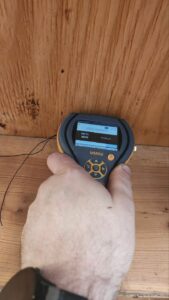
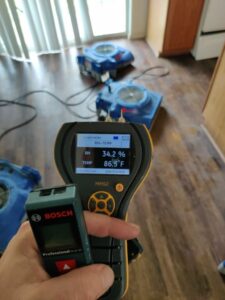
Use a hygrometer to measure indoor humidity levels. If they consistently exceed 50%, it’s worth investigating potential water sources.
Step 3: Check Your Appliances
Inspect appliances for leaks. Look for signs of water pooling or dripping, and ensure connections are secure.
Step 4: Consult Professionals
If you suspect a hidden leak but cannot locate it, it’s essential to consult a professional water damage restoration expert like Technique Flooring And Restoration. Catching it early can save you time, money, and stress. We offer 24/7 water damage restoration and water extraction services.
Our Expertise in Non-Invasive Leak Detection:
Our certified technicians are available 24/7 and specialize in comprehensive leak detection using specialized, non-invasive equipment to identify issues behind walls or under floors:
- Thermal Imaging Cameras: We use advanced thermal cameras to find temperature differentials caused by escaping water inside walls.
- Non-Invasive Acoustic Testing: We use sound detection equipment to listen for the specific sounds of leaks inside concrete slabs and behind materials.
Moisture Damage FAQs
Q1: I suspect a hidden leak. What should I do before calling Technique Flooring And Restoration?
First, try to stop the source of the water if you can safely locate it (e.g., turn off the water supply to an appliance or the main water line). Next, use a hygrometer to monitor your home’s humidity levels. If they are consistently above $\mathbf{55\%}$, document any visible signs like condensation, mold, or odors. Do not attempt to open up walls or ceilings yourself; leave that to our trained technicians.
Q2: How do you find a water leak if it’s behind a wall or under a slab?
We use non-invasive leak detection technology to locate the source without tearing up your home unnecessarily. Our primary tools include:
Thermal Imaging Cameras: These detect temperature differences caused by cool water escaping behind warm walls or floors.
Acoustic Testing: We use highly sensitive listening devices to pinpoint the sound of water movement within pipes and slabs.
Q3: What areas do you serve, and how quickly can you arrive?
We offer 24/7 emergency service across Central Texas. Our primary service areas include Bell County, Coryell County, Lampasas County, Williamson County, and Burnet County. We aim to dispatch our technicians to your location as quickly as possible—usually within an hour—to minimize damage.
Q4: If I have a hidden leak, do I need water damage restoration services?
Yes, almost always. A continuous hidden leak causes water to wick into absorbent building materials (drywall, wood framing, insulation, and subfloors). Even after the leak is fixed, these materials remain saturated, leading to:
Mold and mildew growth within 24-48 hrs.
Structural compromise.
Persistent high humidity and musty odors.
Our water damage restoration process includes water extraction, structural drying, dehumidification, and mold prevention to ensure your home is completely safe and dry.
Q5: Will my homeowner’s insurance cover the cost of leak detection and repair?
Most homeowner’s insurance policies cover sudden and accidental water damage (like a burst pipe), as well as the resulting damage (restoration and drying). However, coverage for the initial leak detection and the repair of the faulty pipe itself can vary. We work with all major insurance carriers and can help you document the damage and navigate the claims process.
If You Think Your Home May Have Water Damage, Contact Technique Flooring And Restoration
High humidity in your home may be more than just an uncomfortable nuisance—it could be a sign of an unseen water break. By recognizing the potential signs of too much moisture in house and contacting us immediately, you can prevent further damage and ensure a healthier living environment.
We offer expert water damage restoration services and water extraction services throughout Central Texas.
Call us 24/7 for immediate assistance!
Phone: (254) 690-1444
Our Water Damage Restoration Service Areas
BELL COUNTY
- Killeen
- Harker Heights
- Nolanville
- Belton
- Temple
- Salado
- Little River
- Academy
- Holland
- Troy
- Bartlett
CORYELL COUNTY
- Copperas Cove
- Gatesville
LAMPASAS COUNTY
- Kempner
- Lampasas
WILLIAMSON COUNTY
- Cedar Park
- Leander
- Liberty Hill
- Florence
- Jarrell
- Round Rock
- Georgetown
BURNET COUNTY
- Briggs