

How to Dry Your Flooring After a Flood
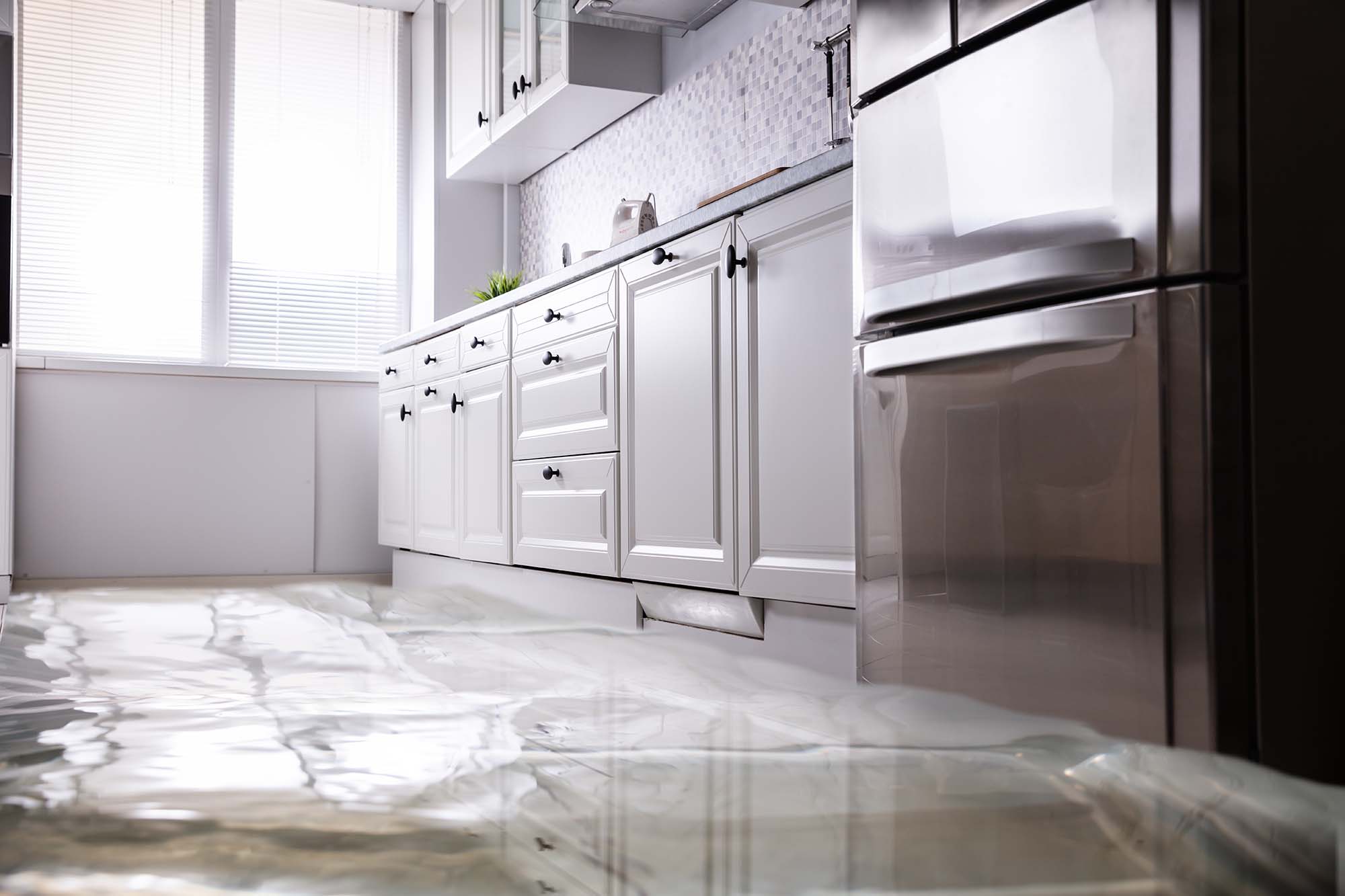
A flood in your home is a stressful and overwhelming experience, and the aftermath can be just as challenging. One of the most critical tasks is figuring out how to dry a floor after a flood.
Whether you have hardwood, tile, carpet, or laminate, immediate and effective drying is essential to prevent permanent damage, structural issues, and the growth of mold and mildew. This guide provides a step-by-step approach to help you navigate this difficult situation.
The Importance of Immediate Action
The moment a flood occurs, the race against time begins. Mold can start to grow on damp surfaces within 24 to 48 hours. See our guide on what to do after a flash flood. The longer the floor remains wet, the greater the risk of:
- Mold and Mildew Growth: Damp floors and subfloors are a perfect breeding ground for mold, which can cause health issues and structural damage.
- Warping and Buckling: Wood-based flooring, such as hardwood and laminate, can warp and buckle when exposed to prolonged moisture.
- Delamination: Water can cause layers of flooring, such as in vinyl or engineered wood, to separate.
- Structural Damage: Water can seep into the subfloor and joists, compromising the structural integrity of your home.
Step-by-Step Guide on How to Dry a Floor After a Flood
Ensure Safety and Stop the Water
- Turn off the Electricity: The first and most critical step is to turn off the power to the affected area to prevent electrical hazards.
- Identify and Stop the Source: Find the source of the water and stop it. This is a crucial first step to prevent further flooding.
- Assess Contamination: Determine if the water is clean (from a burst pipe) or contaminated (from a sewage backup). Contaminated water requires professional handling and is a biohazard.
Remove Standing Water
- Use a Pump or Wet-Dry Vacuum: For a large amount of standing water, a submersible pump is the most efficient tool. For smaller floods, a wet-dry vacuum can effectively extract the water.
- Towels and Mops: For minor spills, use towels and mops to absorb as much water as possible.
Promote Air Circulation and Dehumidification
- Increase Ventilation: Open windows and doors (if the outside air is drier) to increase air circulation.
- Use Fans: Position powerful fans strategically to blow air across the floor, speeding up evaporation. Air movers are especially effective for this task.
- Dehumidifiers: A dehumidifier is an essential tool for pulling moisture from the air, which helps the floor dry faster. Run it continuously and empty the reservoir regularly.
Address Specific Flooring Types
- Carpet:
- Remove Padding: In most cases, the carpet padding must be removed and disposed of. It acts like a sponge and is very difficult to dry thoroughly.
- Dry the Subfloor: Once the padding is removed, use fans and dehumidifiers to dry the subfloor completely before reinstalling the carpet (if it can be salvaged).
- Hardwood:
- Increase Airflow: Use air movers and dehumidifiers to increase airflow and dry the hardwood planks from all sides.
- Check for Buckling: Monitor the floor for signs of warping or buckling. If the damage is extensive, the floor may need to be professionally restored or replaced.
- Laminate:
- Remove Planks: In most cases, you must remove the damaged laminate planks to dry the subfloor underneath.
- Dry the Subfloor: Use fans and dehumidifiers to dry the subfloor completely before reinstalling new laminate.
- Tile:
- Dry Grout: While tile is water-resistant, the grout lines are porous and can absorb water. Use fans and dehumidifiers to dry the grout thoroughly.
- Check for Subfloor Moisture: Water can seep through the grout and affect the subfloor. Check for moisture and address it if necessary.
When to Call the Professionals
Knowing when to call a professional for floor drying after water damage is critical.
- Extensive Damage: For large-scale flooding or if the water has been present for more than 48 hours, professional water extraction services are essential.
- Contaminated Water: If the water is from a sewage backup, it is a biohazard and must be handled by certified professionals.
- Structural Concerns: If you suspect the subfloor or other structural elements are damaged, call a professional immediately.
- IICRC-Certified Technicians: Look for companies with IICRC-certified technicians. This certification ensures they have the training and equipment to properly handle water damage restoration.
Trust the 24/7 Flood Damage Restoration Experts at Technique Flooring & Restoration
Facing a flood can be overwhelming, but a quick and effective response is key to mitigating damage. By understanding how to dry a floor after a flood and knowing when to call the professionals, you can protect your home and your family’s health.
A water emergency can’t wait. That’s why Technique Flooring & Restoration offers immediate water damage restoration. Our team of IICRC-certified technicians is dedicated to excellent service and a 100% satisfaction guarantee. Trust Central Texas’s top-voted flooring and carpet cleaning company—our mission is to provide astounding solutions for all your residential and commercial needs. Contact Us to get started.